10 Florida Yard Plants That Are Toxic to Cats (and Cat-Safe Swaps)
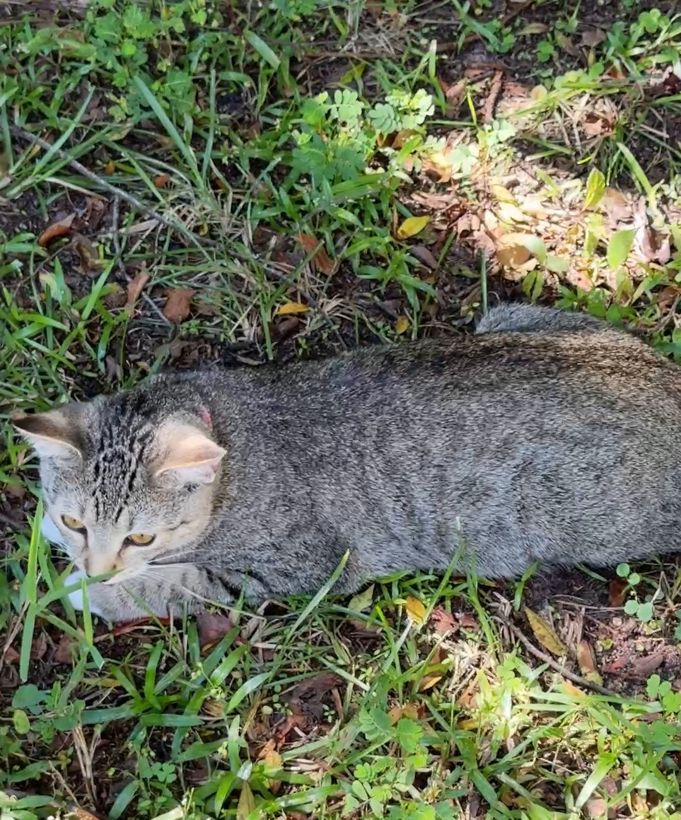
Felix and Cleo get fenced backyard time twice a day, and Cleo spends most of hers nose-down in the grass and leaf litter hunting lizards. That got us thinking about what's growing at nose level, not just what's crawling there. Florida's climate lets people grow a huge range of landscape plants, and a UF/IFAS Extension review of common Florida landscape plants notes that many of them can be toxic if eaten, posing risks to pets. [1] Below are 10 that UF/IFAS describes as grown in Florida landscapes and that the ASPCA lists as toxic to cats: what part is the problem, what signs to watch for, and plants the ASPCA lists as non-toxic to cats that you could plant instead.
A note on "deadly"
Not every plant here carries the same risk. For some, like sago palm and true lilies, the sources say a small amount can kill a cat. For others, like lantana and kalanchoe, the ASPCA's listed signs for pets are mostly stomach upset, with severe effects described as rare or more common in livestock. [13][16] We've said which is which for each plant, and we'd still call about any of them. UF/IFAS also points out that a toxic plant doesn't automatically need to be ripped out: many of these have real landscape and wildlife value, and the key is keeping pets from eating them. [1]
The highest-risk plants
1. Sago palm (Cycas revoluta)
Why it's in Florida yards: UF/IFAS describes sago palm as a popular ornamental in the subtropical U.S., mainly Florida, California, Georgia, and Puerto Rico. [1]
Toxic parts: All of it. UF/IFAS says all parts contain toxins, with the seeds holding the highest concentration of cycasin. [1] PetMD says the orange-red seeds at the center are the most poisonous part and often fall out of the plant. [4]
Signs: The ASPCA lists vomiting, melena (dark, tarry stool), icterus (jaundice), increased thirst, bloody gastroenteritis, bruising, clotting problems, liver damage, liver failure, and death. [2] PetMD, citing Pet Poison Helpline, says signs can begin 15 minutes to several hours after a cat eats it, with neurological signs within about 4 hours and severe liver failure within 2 to 3 days. [4]
2. Coontie (Zamia)
Why it's in Florida yards: Coontie is a Florida native, and UF/IFAS includes it among common poisonous landscape plants in the state. [1] It's a cycad, in the same group as sago palm, which is easy to miss because it looks more like a low fern.
Toxic parts: All parts, with the seeds the most toxic, according to UF/IFAS. [1]
Signs: The ASPCA lists vomiting (may be bloody), dark stools, jaundice, increased thirst, bloody diarrhea, bruising, liver failure, and death, and says 1 to 2 seeds can be fatal. [3] PetMD advises keeping coontie, cycads, and zamias away from pets for the same reasons as sago palm. [4]
3. Daylilies and true lilies (Hemerocallis and Lilium)
Why they're in Florida yards: UF/IFAS says daylilies are widely favored and thrive in Florida landscapes. [1] True lilies, like Easter, Asiatic, Oriental, and stargazer lilies, show up as garden plants and in bouquets. [7]
Toxic parts: The whole plant. The FDA says the stem, leaves, flowers, pollen, and even the water in a vase are toxic, and that eating a small piece of leaf or petal, licking a few pollen grains off fur while grooming, or drinking vase water can cause fatal kidney failure in less than 3 days. The toxin only affects cats. [7] Pet Poison Helpline also lists the rhizome (root). [10]
Signs: The ASPCA lists vomiting, loss of appetite, lethargy, kidney failure, and possible death for both Easter lilies and orange daylilies. [8][9] The FDA says early signs (less activity, drooling, vomiting, not eating) start 0 to 12 hours after eating, and that if treatment is delayed by 18 hours or more, the cat will generally have irreversible kidney failure. [7]
Not every plant called a "lily" is a true lily. The FDA notes that some, like the gloriosa lily below, cause different but still serious problems. [7]
4. Gloriosa lily (Gloriosa superba)
Why it's in Florida yards: UF/IFAS says this climbing plant grows as a perennial in Florida and blooms from summer to fall. [1]
Toxic parts: UF/IFAS says all parts are poisonous to humans and animals, with the tuberous roots particularly toxic. The main toxin is colchicine. [1]
Signs: The ASPCA lists bloody vomiting, diarrhea, shock, multi-organ damage, and bone marrow suppression. [11]
5. Oleander (Nerium oleander)
Why it's in Florida yards: UF/IFAS calls it a beautiful addition to the Florida landscape, planted along highways throughout the state. [6]
Toxic parts: All parts, according to UF/IFAS. It contains cardiac glycosides, and UF/IFAS also warns that burning oleander clippings can release toxins into the smoke. [1][6]
Signs: The ASPCA lists drooling, abdominal pain, diarrhea, colic, depression, and death. [5]
Serious, but usually less severe
6. Yesterday, today, and tomorrow (Brunfelsia)
Why it's in Florida yards: UF/IFAS says it's commonly used as a hedge and container plant, and it handles shade. [1]
Toxic parts: UF/IFAS says all parts are considered highly poisonous, that dogs, cats, and children are especially drawn to the berries and flowers, and that the berries are highly toxic. [1]
Signs: The ASPCA lists tremors, seizures lasting several days, diarrhea, vomiting, drooling, lethargy, incoordination, and coughing. [12] Seizures put this one closer to the top group than its friendly name suggests.
7. Azaleas (Rhododendron)
Why they're in Florida yards: UF/IFAS says azaleas are best suited to North and Central Florida gardens. [15] They're used as foundation, mass, and hedge plantings. [1]
Toxic parts: UF/IFAS says the toxin, grayanotoxin, is in all parts of the plant, including the flowers and nectar. [1]
Signs: The ASPCA lists vomiting, diarrhea, weakness, and cardiac failure. [14]
8. Periwinkle, or vinca (Catharanthus roseus)
Why it's in Florida yards: UF/IFAS describes periwinkle as a warm-season annual and Florida-Friendly plant that flowers through the summer in full sun. [19] The ASPCA lists it under the older name Vinca rosea.
Toxic parts: The ASPCA lists the plant as toxic to cats because of its vinca alkaloids. It doesn't single out one part. [18]
Signs: The ASPCA lists vomiting, diarrhea, low blood pressure, depression, tremors, seizures, coma, and death. [18]
9. Lantana (Lantana camara)
Why it's in Florida yards: UF/IFAS calls it one of the most popular landscape plants because it's heat, salt, and drought tolerant. It also notes that the UF/IFAS Assessment of Non-Native Plants classifies common lantana as invasive. [1]
Toxic parts: UF/IFAS says all parts are poisonous, particularly to livestock. The main toxins (lantadenes) are mostly in the leaves, and children can be poisoned by eating the berries. [1]
Signs: For pets, the ASPCA lists vomiting, diarrhea, labored breathing, and weakness, and says liver failure is more common in livestock. [13]
10. Kalanchoe (Kalanchoe)
Why it's in Florida yards: UF/IFAS Extension says the common Christmas kalanchoe can be planted outside, is recommended as a Florida-Friendly plant, and works in rock gardens, raised planters, and containers. [17]
Toxic parts: The ASPCA lists kalanchoe species as toxic to cats because of bufodienolides. It doesn't single out one part. [16]
Signs: The ASPCA lists vomiting and diarrhea, and an abnormal heart rhythm, which it describes as rare. [16]
Quick reference
| Plant | Problem parts | Main concern (per the sources) |
|---|---|---|
| Sago palm | All, especially seeds | Liver failure, can be fatal [2][4] |
| Coontie | All, especially seeds | Liver failure, 1 to 2 seeds can be fatal [3] |
| Daylilies and true lilies | All, including pollen and vase water | Kidney failure, can be fatal [7] |
| Gloriosa lily | All, especially tuberous roots | Multi-organ damage [11] |
| Oleander | All | Heart-acting toxins, can be fatal [5] |
| Yesterday, today, and tomorrow | All, especially berries | Tremors and seizures [12] |
| Azalea | All, including flowers and nectar | Gut upset, weakness, heart failure [14] |
| Periwinkle (vinca) | Plant (no part singled out) | Gut upset up to seizures and coma [18] |
| Lantana | All, toxins mostly in leaves | Gut upset, weakness [13] |
| Kalanchoe | Plant (no part singled out) | Gut upset, rarely heart rhythm [16] |
What to do if your cat chewed something
- Get your cat away from the plant and take a photo of the plant or a piece of it, so your vet or the poison line knows exactly what it was. That's our practical tip, not a source's.
- Call right away, even if your cat seems fine. With sago palm and lilies, the sources say the outcome depends on how fast treatment starts. [4][7] Call one of these:
- Your veterinarian or the nearest emergency vet.
- ASPCA Animal Poison Control Center: (888) 426-4435. The ASPCA says it's available 24 hours a day, 365 days a year, and that a consultation fee may apply. [20]
- Pet Poison Helpline: (855) 764-7661. It says it's available 24/7, and its site listed a $99 per-incident fee, including follow-up consultations, when we checked on Oct 30, 2026. [21]
- Don't make your cat vomit on your own. Pet Poison Helpline says not to induce vomiting without consulting a vet or the helpline, and PetMD says doing it at home usually carries more risk than benefit for a cat. [21][4]
- Follow their instructions, which may mean going straight to an emergency hospital. With sago palm, PetMD suggests calling a poison line on the way. [4]
Cat-safe swaps that grow in Florida
Every plant below is on the ASPCA's list of plants non-toxic to cats [22], and UF/IFAS describes each as growing in Florida. "Non-toxic" is about poisoning, not a promise a plant is a good snack. We'd still discourage chewing on anything in the yard, and check the exact species on the ASPCA list before you buy, since a common name can cover several plants.
- Instead of sago palm or coontie: Christmas palm (Adonidia merrillii). A small palm that UF/IFAS says suits small sites. The catch: it's only cold hardy to 30°F, so UF/IFAS notes it has only recently spread north into Central Florida with warmer winters. [23]
- Instead of oleander: crapemyrtle (Lagerstroemia indica) or rigid bottlebrush (Callistemon rigidus). UF/IFAS says crapemyrtle blooms all summer, handles heat and drought, and comes in sizes from dwarf shrubs to trees. [24] It says rigid bottlebrush is drought and salt tolerant and draws hummingbirds and butterflies. Skip weeping bottlebrush, which UF/IFAS's non-native plant assessment predicts will be invasive and doesn't recommend. [25]
- Instead of azaleas: camellias (Camellia japonica). UF/IFAS says most do best in partial shade with well-drained, preferably acidic soil, and they bloom in fall and winter. [26]
- Instead of lantana or periwinkle in a sunny bed: scarlet sage, swamp sunflower, or coreopsis.
- Scarlet sage (Salvia coccinea): UF/IFAS calls it a native perennial salvia, with white, pink, or red flowers. [27] The ASPCA lists this species as non-toxic. That doesn't cover every salvia, so look for the species name.
- Swamp sunflower (Helianthus angustifolius): UF/IFAS says it's native to all regions of Florida, gives fall color, and is a pollinator favorite. [28]
- Coreopsis: Florida's state wildflower, according to UF/IFAS, drought tolerant once established, and it attracts butterflies and bees. [29]
- Instead of yesterday, today, and tomorrow in a shady spot: cast iron plant (Aspidistra elatior). UF/IFAS says it grows outdoors in all regions of Florida in filtered or deep shade, but not full sun. [30]
A quick yard walk
- ☐ Walk the yard and fence line at cat height. Look up anything you can't identify on the ASPCA's plant list, or call before your cat gets to it. [22]
- ☐ Check for sago palm or coontie, and pick up any fallen seeds. [4]
- ☐ No lilies in bouquets indoors, including the vase water and dropped pollen. [7]
- ☐ If you keep a toxic plant, put it where your cat can't reach or chew it, as UF/IFAS suggests. [1]
- ☐ Don't burn oleander clippings. [1]
- ☐ Save (888) 426-4435 and (855) 764-7661 in your phone next to your vet's number. [20][21]
This isn't a complete list. UF/IFAS says its own list isn't comprehensive either, and the ASPCA's full list of plants toxic to cats is much longer. [1][22] When in doubt, look the plant up there or call.
Sources
All sources were accessed and checked on 2026-10-30.
- Khamare, Y., and C. Marble. UF/IFAS Extension (EDIS ENH1384/EP648). Common Poisonous Landscape Plant Species in Florida (2025).
- ASPCA. Sago Palm.
- ASPCA. Coontie Palm.
- PetMD. Sago Palm Poisoning in Cats.
- ASPCA. Oleander.
- UF/IFAS Gardening Solutions. Oleander.
- U.S. Food and Drug Administration. Lovely Lilies and Curious Cats: A Dangerous Combination.
- ASPCA. Easter Lily.
- ASPCA. Orange Day Lily.
- Pet Poison Helpline. Lilies.
- ASPCA. Climbing Lily (Gloriosa Lily).
- ASPCA. Yesterday, Today, Tomorrow.
- ASPCA. Lantana.
- ASPCA. Azalea.
- UF/IFAS Gardening Solutions. Azaleas.
- ASPCA. Kalanchoe.
- UF/IFAS Extension Charlotte County. A Kalanchoe by Any Other Name (2025).
- ASPCA. Periwinkle.
- UF/IFAS Gardening Solutions. Periwinkles.
- ASPCA. Animal Poison Control.
- Pet Poison Helpline. 24/7 Animal Poison Control Center.
- ASPCA. Toxic and Non-Toxic Plant List: Cats.
- UF/IFAS Gardening Solutions. Christmas Palm.
- UF/IFAS Gardening Solutions. Crapemyrtle.
- UF/IFAS Gardening Solutions. Bottlebrush.
- UF/IFAS Gardening Solutions. Camellias.
- UF/IFAS Gardening Solutions. Salvia.
- UF/IFAS Gardening Solutions. Swamp Sunflower.
- UF/IFAS Gardening Solutions. Coreopsis.
- UF/IFAS Gardening Solutions. Cast Iron Plant.